

Analysts of Chinese intelligence services argue that Mossad is exploiting the migration crisis between Spain and Morocco to exert pressure on Madrid, with consequences for Europe, China, and regional security.
Circles within Chinese intelligence, military, political, and strategic sectors have analyzed the current crisis involving the flow of thousands of Moroccan refugees toward the Spanish cities of Ceuta and Melilla, focusing on technical and field intelligence operations to counter the activities of Mossad and Western services that, according to their assessments, fuel the crisis aimed at expelling Spain from the European Union. This, according to the same analysis, is being done with full support from Israeli Mossad, owing to Spain's firm stance, its support for Gaza, its recognition of Palestine, and the repeated international exposure of Israel.
For this purpose, China has reportedly activated the Ninth Bureau of the Chinese Ministry of State Security, which operates as the Chinese intelligence agency (MSS). This activation aims to protect Chinese interests and investments within the framework of the Belt and Road Initiative from penetration by foreign intelligence services, particularly Israeli Mossad, due to interests attributed to it in instigating the crisis.
Chinese coverage of the crisis and fears for European borders
Reports highlight the coverage of the crisis by Chinese media outlets, such as CGTN and Xinhua, which emphasized the humanitarian character of the crisis, strict Spanish security measures, the impacts on border stability of the European Union and the Schengen zone, as well as the consequences for Spain's relations with the EU, following calls from certain member states for a motion of no confidence and the expulsion of Spain from the Union.
At the same time, analyses from Chinese think tanks and intelligence services focused on the degree of involvement of foreign intelligence services in instigating these movements and fueling the unrest.
These analyses examine threats linked to non-traditional security arising from the influx of irregular Moroccan migrants into Ceuta and Melilla and discuss geopolitical crises that could impact China's commercial and energy routes.
They also examine the expansion of Chinese security and support operations in areas of vital importance for Chinese port and logistical interests, aiming to protect infrastructure projects and supply routes.

Mossad "finger" behind the Ceuta–Melilla crisis
Chinese intelligence services, and specifically the Ninth Bureau of the MSS, link the influx of irregular Moroccan refugees and migrants into Spanish enclaves with the intense diplomatic tension between Spain and Israel.
According to the Chinese analysis, this tension stems from Madrid's recognition of the Palestinian state and its stance on the war in Gaza.
As indications, the text cites Israel's customary pressure practices, such as political statements, recall of ambassadors, and economic and diplomatic pressure through Western allies.
In this context, the analysis points directly toward Mossad and its new director, Roman Gofman, accusing them of organizing irregular migration flows of Moroccans toward Ceuta and Melilla, areas under Spanish sovereignty. The objective, according to the text, is to curb Spain's repeated criticism of Israeli policies in Gaza and Iran and to politically harm the government of Pedro Sánchez.
Pedro Sánchez's visit and calls for expulsion from the EU
The text from Modern Diplomacy links the crisis to Pedro Sánchez's visit to Ceuta on Saturday, August 1, 2026, where, according to the description, he faced intense jeering from protesters accusing him of direct responsibility for the unprecedented border crisis with Morocco.
At the same time, it is reported that strong voices were heard within the European Union itself, which, with strong support from Mossad, are demanding for the first time in the history of the Union the expulsion of Spain from the EU.
The purpose of this pressure, according to the analysis, is to prevent European states from being able to manage the severe border crisis caused by the entry of thousands of Moroccan refugees and migrants and their plans to move toward the rest of Europe through Spanish territory.
The role of Roman Gofman and Mossad's new military line
Chinese think tanks attribute the escalation of the crisis to the growing diplomatic conflict between Spain and Israel, which they link to Spanish interventions in Israeli matters.
From a Chinese perspective, this may have prompted Mossad to become involved in border migration crises between Morocco and Spain, instigating unrest and chaos.
Particular emphasis is placed on the military background of Roman Gofman, who assumed the leadership of Mossad in June 2026, succeeding David Barnea. The text argues that, unlike his predecessors, he possesses a purely military profile and prioritizes field intelligence operations to counter Iranian threats and regional networks. Within the same framework, according to the analysis, falls the involvement in the Morocco–Spain migration crises, utilizing military-style offensive operations.
Public confrontations between Spain and Israel and Chinese interpretations
Chinese political and intelligence analyses examine public confrontations between Spanish officials and Israeli diplomats on social media, which arose from Spanish positions against Israeli policies. They also examine mutual accusations at the UN, including criticism by Israeli UN Ambassador Danny Danon toward Spain over the Ceuta crisis and his reference to the existence of Spanish colonial enclaves in Africa.
In response, Spanish Minister of Transport Oscar Puente wrote that "it seems everything has become clearer." Chinese intelligence analysts interpreted this statement as a political and intelligence signal explaining the nature of the crisis and suggesting Mossad involvement in encouraging Moroccans to migrate irregularly toward Ceuta and Melilla.
Smuggling networks, disinformation, and fears of destabilization
Chinese services continue to evaluate the causes of the unprecedented influx of migrants toward the Spanish enclaves, attributing a role to smuggling networks that may be directly or indirectly linked to Mossad.
These networks spread misleading information regarding court decisions concerning Ceuta and Melilla, claiming that arrival in these areas will allow a safe asylum application and easy acquisition of Spanish citizenship.
For this reason, official Chinese circles call for close security coordination between Morocco and Spain to stem the crisis and repatriate migrants, without intervention from external actors like Mossad, which, according to the analysis, seeks to perpetuate the crisis.
Enhanced mobilization of the MSS and protection of Belt and Road
The crisis explains the recent intensification of activity by the Ninth Bureau of the MSS, which is reportedly closely monitoring movements and operations of Mossad agents, particularly in Iran and Egypt.
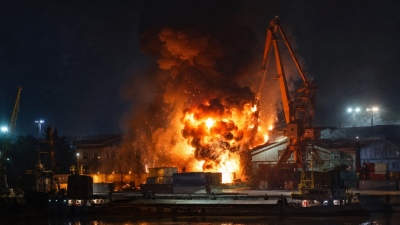
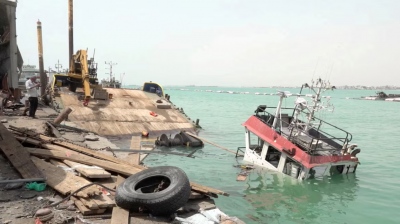
This mobilization, according to the publication, followed the drone attack on the port of Damietta and the crisis in Ceuta and Melilla, aiming to protect Chinese investments and Belt and Road projects from Western, Israeli, and primarily American penetrations, espionage networks, and sabotage operations.
The analysis maintains that these networks are directly linked to efforts to destabilize North Africa through the issue of irregular migration and the flow of migrants from Morocco to Ceuta and Melilla, with the ultimate goal of undermining Chinese investments and infrastructure projects in North Africa and the Middle East.
www.bankingnews.gr




Σχόλια αναγνωστών